
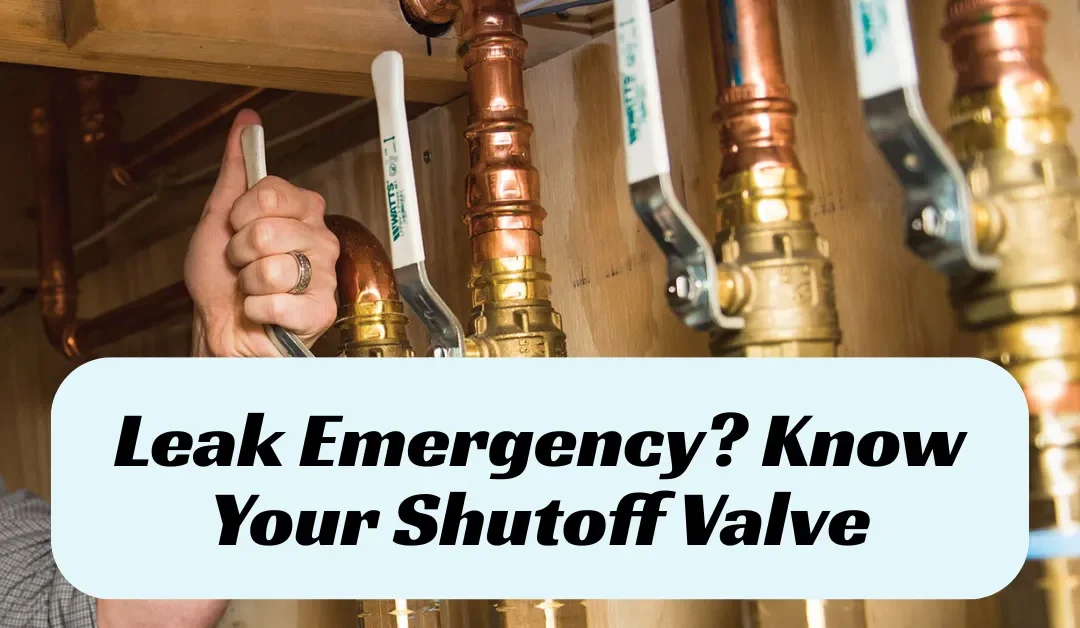
Every West Sussex homeowner should know how to locate the main water shutoff valve in their property. This essential valve controls all water entering your home and can prevent costly damage during plumbing emergencies such as burst pipes or leaks. Many homeowners overlook this step, but knowing where your valve is can save thousands in repairs and give peace of mind.
At Sussex Water Mains, we help homeowners across West Sussex understand and manage their water systems, from water leak detection services to 24/7 burst pipe repair in Sussex. In this guide, we’ll explain where your valve is, how to test it, and when to call a professional.
What Is a Main Water Shutoff Valve?
The main water shutoff valve is the primary control point for all water entering your property. By turning this valve clockwise, you can stop water flow completely, protecting your home during emergencies.
This valve connects the public water supply to every tap, toilet, shower, and appliance in your home. Understanding where to find the main water shut-off valve ensures you can act quickly to prevent damage.
Most UK homes have two shutoff points:
- Indoor valve: Accessible for homeowners
- The outdoor valve: Usually controlled by your water supplier
Common Locations for Main Water Shutoff Valves in Sussex Homes
Finding your valve depends on property type, age, and installation style. Here’s where West Sussex homeowners commonly locate theirs:
Indoor Locations
- Kitchen: Under sinks, behind kickboards, or inside base unit cupboards against external walls
- Utility Room: Near boilers or washing machines, behind water heaters, or low on external-facing walls
- Under Stairs: Inside cupboards near the front door, often boxed in or hidden
- Bathroom Cupboards: Under basins or inside airing cupboards near water tanks
Outdoor Locations
- Pavement Stop Tap: Small metal cover marked “W,” usually within 1 metre of the property boundary; requires a stop tap key
- Driveway Inspection Cover: Circular or rectangular plastic cover near the water pipe entry; sometimes shared with neighbours
Understanding these locations helps you replace old lead pipes in Sussex safely or upgrade your water systems.
Step-by-Step Guide: How to Locate the Main Water Shutoff Valve
Many homeowners ask, Where is the main shut-off valve for water? Professionals recommend this approach:
- Check Common Indoor Spots First
- Kitchen and bathroom sinks
- Utility rooms and cupboards
- Under stairs near external walls
- Trace Your Water Meter
- Find the water meter
- Valve is often nearby or just after the meter
- Follow visible pipes from the meter
- Check External Access Points
- Pavements directly outside your property
- Driveways and front gardens
- Look for covers marked “W” or “Water.”
- Review Property Documents
- Home survey or inspection report
- Plumbing records from previous owners
- Water supplier installation diagrams
- Contact Your Water Supplier
- South East Water covers most of West Sussex areas
- They can confirm external stop tap locations
When in doubt, professional emergency pipe repairs ensure safety and avoid damage.
How to Identify the Correct Valve
Not every valve is your main shutoff. Check using these methods:
- Visual Checks: Main valves are larger than radiator or isolation valves; look for gate (wheel) or ball (lever) handles
- Water Flow Test: Turn clockwise slowly; if water stops at all taps, you’ve found the main valve
- Avoid: Small individual tap valves, radiator valves, red-handled valves (usually heating or fire systems)
Main Water Shutoff Valve by Property Type
| Property Type | Most Common Location | Secondary Location |
| Detached House | Under the kitchen sink | External boundary box |
| Semi-Detached | Kitchen or utility room | Shared external stop tap |
| Flat/Apartment | Kitchen cupboard or hallway | Building’s main riser cupboard |
| New Build | Utility room or garage | External boundary clearly marked |
| Victorian | Under stairs or cellar | Pavement stop tap |
| Bungalow | Kitchen or bathroom cupboard | Front garden inspection cover |
Knowing your property’s setup helps during water main replacement in Sussex or upgrading water mains pipe projects.
When to Turn Off Your Main Water Supply
Shutting off your water prevents serious damage in these situations:
- Burst Pipe: Turn off immediately; call an emergency plumber
- Visible Leaks: Stop the flow to prevent ceiling, wall, or floor damage
- Plumbing Work: Essential for tap, toilet, or boiler repairs
- Going on Holiday: Prevent leaks, frost damage, or burst hoses
Safety Tips for Homeowners:
- Test your valve quarterly, especially before winter
- Label your valve clearly for all family members
- Keep a torch and a stop tap key handy
- Avoid forcing stuck valves; call professionals
Frequently Asked Questions
1. How do I shut off my main water supply in an emergency?
Locate your main valve (usually under the kitchen sink or in a utility room) and turn clockwise. Use a stop tap key for external valves. Always switch off the electricity if water is near outlets.
2. What’s the difference between a stop tap and a stopcock?
In the UK, “stop tap” is usually outdoors and managed by your supplier; “stopcock” is indoors, managed by the homeowner. Both regulate water flow.
3. How often should I test my main valve?
Check every 3-6 months. Turn a quarter clockwise, then fully counterclockwise. Apply penetrating oil if stiff, and replace it if it doesn’t move.
4. Who is responsible for the main valve?
Indoor valves and internal pipework are the homeowner’s responsibility. External valves are maintained by your supplier, e.g., South East Water.
5. What if water won’t shut off at the valve?
Use external stop taps first. If water continues, call a plumber. Never force a jammed valve to avoid flooding.
When to Call a Professional Plumber in West Sussex
Some situations require expert help:
- Stuck or Seized Valves: Old valves may snap if forced; professionals have the proper tools
- No Valve Found: Older homes may lack obvious valves; experts can install new ones
- Leaking Valve: Worn seals require replacement
- Multiple Stop Taps: Complex layouts can confuse DIY attempts
Professionals can also assist with moling services in Sussex, water meter installation, and long-term water leak detection services.
Local Expertise Matters
West Sussex properties vary widely in design and plumbing layout. Working with a trusted water mains company in Sussex ensures:
- Proper identification of valves and pipework
- Safe replacement of lead or old pipes
- Fast response for emergency pipe repairs
- Accurate system mapping for future maintenance
You can also check customer reviews of water mains in Sussex to see how locals benefit from professional services.
Conclusion
Knowing where your main water shutoff valve is and how to operate it is essential for every West Sussex homeowner. Regular checks, labeling, and preparation prevent costly water damage and ensure quick action during emergencies.
For expert assistance in locating, repairing, or upgrading your water supply system, contact Sussex Water Mains. Our team provides trusted plumbing services, from emergency pipe repairs to water main replacement in Sussex, protecting your home year-round.